Introduction: Transform Your Home with False Ceilings
Creating a beautiful, functional, and modern space often goes beyond choosing the right paint color or flooring. One of the most transformative yet often overlooked elements in interior design is the false ceiling. A well-designed false ceiling, also known as a dropped or suspended ceiling, can dramatically alter the ambiance of any room, improve acoustics, and provide practical benefits like concealing wiring and integrating lighting. In this guide, we share expert false ceiling design tips and explore trending ideas, layout suggestions, and essential considerations for your next renovation or build.

1. Understanding False Ceilings: What Are They?
A false ceiling is a secondary ceiling installed below the main structural ceiling. It is commonly used in modern architecture to enhance visual appeal, hide unsightly fixtures (such as pipes or ducts), and improve room acoustics. Popular materials include gypsum board, POP (Plaster of Paris), wood, metal panels, and PVC sheets, each offering unique aesthetic and practical advantages.
- Gypsum Board: Lightweight and versatile, ideal for sleek designs.
- POP: Great for intricate designs, moldings, and curves.
- Wood: Brings warmth and a natural feel to the interiors.
- PVC/Metal: Low maintenance, moisture-resistant, and available in stylish finishes.
2. Key False Ceiling Design Tips
-
Plan for Lighting Integration
Thoughtfully integrate lighting solutions such as recessed lights, LED strips, cove lighting, or chandeliers into your false ceiling design. Layering ambient, accent, and task lighting dramatically changes a room’s atmosphere and usability.Tip: Use dimmable lights for multifunctional rooms and highlight architectural features with hidden LED strips.
-
Optimize Ceiling Height
Choose a false ceiling design that maintains comfortable headroom. Low ceilings benefit from minimalistic, single-layered designs, while higher ceilings allow for multi-level or tray ceiling styles for added depth and drama.Tip: Use lighter colors and reflective finishes in compact spaces to create a sense of openness.
-
Enhance Acoustics with Layered Patterns
False ceilings help with sound insulation, especially in media rooms or open-plan living areas. Staggered or patterned panels can break up sound waves and reduce echoes.Tip: Incorporate acoustic tiles within your design for additional soundproofing.
-
Play with Shapes and Levels
Explore geometric patterns, curves, or layered tray ceilings for visual interest. The design possibilities are endless—from zigzag layouts to concentric rectangles.Tip: Match ceiling shapes with your furniture layout for optimal harmony.
-
Select Colors and Finishes Wisely
Neutral hues work best for a timeless look, while bold accent colors can make a statement. Glossy finishes reflect more light, whereas matte textures suit cozy environments.Tip: Paint or wallpaper niches and recesses in contrasting shades for added drama.
3. Popular False Ceiling Ideas for Every Room
Need inspiration? Here are some trendy false ceiling ideas tailored to different rooms:
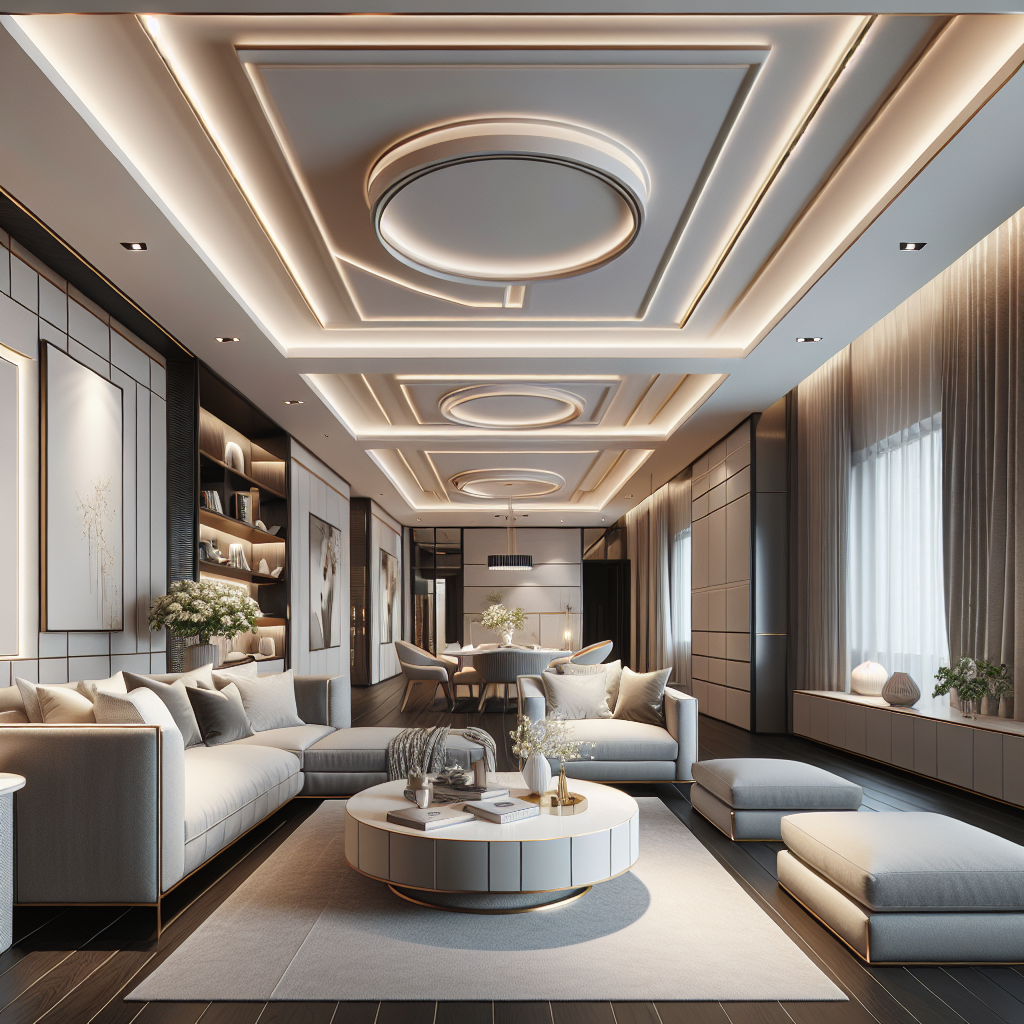
- Living Room: Layered drop ceilings with recessed lighting and a central chandelier for glamour.
- Bedroom: Cove lighting in a tray ceiling for a calm, relaxing vibe.
- Kitchen: Water-resistant PVC panels with integrated downlights above the island.
- Bathroom: Simple suspended ceilings that hide exhaust fans and pipes.
- Office: Acoustic tiles combined with indirect lighting for productivity and comfort.

4. LSI Keywords & Concept Integration
When searching for the latest trends and advice, keep an eye out for related terms, including: suspended ceiling solutions, ceiling lighting ideas, gypsum board ceiling, modern ceiling panels, multi-layer tray ceiling, acoustic ceiling tiles, energy-efficient ceilings, room lighting design, ceiling color tips, lighting integration for false ceilings, and more. These concepts will help you refine your project further and ensure you’re up-to-date with top industry knowledge.
5. Design Considerations: Mistakes to Avoid
- Ignoring Proportions: Oversized ceiling features might overwhelm small rooms, while tiny patterns get lost in expansive spaces.
- Poor Choice of Materials: Consider moisture and maintenance needs—use water-resistant boards in kitchens or bathrooms.
- Inadequate Lighting Planning: Inaccessible wires or poorly placed fixtures are common mistakes. Always coordinate your ceiling and lighting layouts early in the design phase.
- Neglecting Functionality: Design should balance beauty with practicality, such as access for future repairs or upgrades.

6. Maintenance and Longevity of Your False Ceiling
Regular dusting and occasional deep cleaning with soft cloths will keep your false ceiling looking fresh. For long-term durability, avoid hanging heavy accessories or fixtures directly from the panels unless they are specifically reinforced. Always choose quality materials to minimize sagging and water damage over the years.
Conclusion: Your Ideal False Ceiling Awaits
With these false ceiling design tips and LSI-based concepts, you’re ready to create a stunning ceiling that elevates both style and function. Whether you’re renovating or building new, a carefully planned false ceiling can become the highlight of your home or office space. Remember to collaborate with skilled professionals, trust your vision, and let these ideas inspire your next interior upgrade.