How to Blend Traditional and Modern Design in Compact Spaces
Unlock the secrets of combining classic luxury and sleek simplicity to design a small, harmonious home filled with style.

Understanding Blended Interior Design
Blending traditional and modern design is an artful approach for those who appreciate both time-honored charm and contemporary flair.
While modern interiors emphasize simplicity and clean lines, traditional design offers warmth, craftsmanship, and rich detailing.
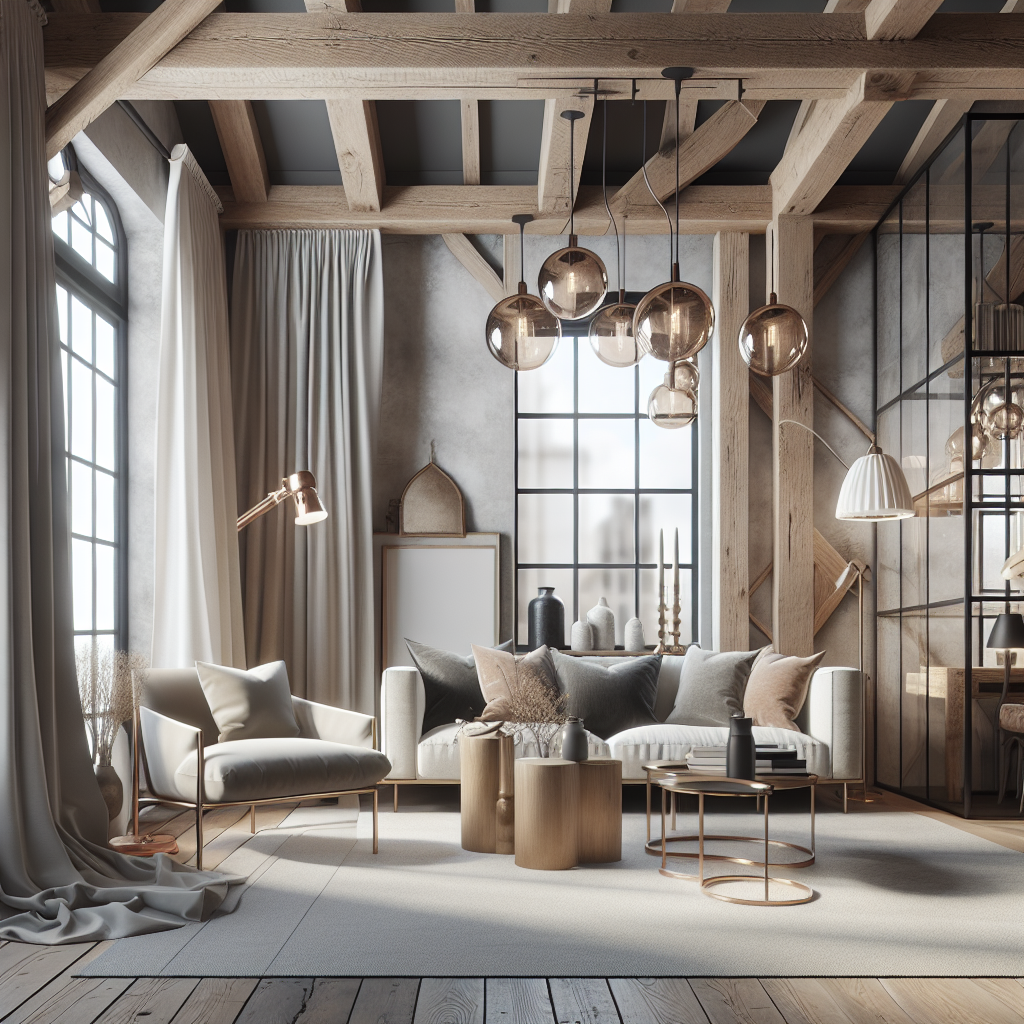
When thoughtfully combined, these styles can create a compact living space that feels curated, welcoming, and uniquely yours.
This process is also known as transitional design, a versatile trend popular among homeowners and interior designers seeking
a balanced environment. This article will guide you with actionable tips, style inspirations, and clever layout ideas to master this blend in any small-sized home or apartment.
Key Principles of Merging Traditional and Modern Styles
-
Harmony Through Color Palette: Use a neutral base—think whites, beiges, greys—but add depth with accents in navy, mustard, or muted greens.
Mix modern, soft wall tones with classic wood or rich jewel shades for interest. - Layer Textures and Patterns: Combine smooth, modern surfaces like glass, stone, or metal with traditional textiles—velvet pillows, patterned rugs, or linen curtains.
- Balanced Furnishings: Use sleek, minimalistic sofas beside antique accent chairs or wooden side tables with strong silhouette.
- Statement Art and Décor: Hang abstract modern paintings above ornate moldings or pair vintage mirrors with contemporary lighting fixtures.
- Open Space, Purposeful Design: Keep your layout functional and uncluttered. In compact interiors, opt for less but better furniture—invest in signature pieces that offer both utility and aesthetic value.

Practical Steps to Achieve a Modern-Traditional Fusion
1. Start with the Essentials
Select neutral or light-colored walls to create a spacious feel, then layer with classic details like crown molding or ceiling medallions—these visually “lift” small spaces and add heritage.
2. Mix and Match Furniture
You can pair a mid-century modern sofa with a carved traditional coffee table, or introduce a sleek console table to a hallway with Oriental-style wallpaper. In a bedroom, use a tufted headboard with minimalist bedside lamps.
Remember: Let your largest item be either classically traditional or modern—then blend in accents from the alternate style. This keeps harmony and avoids visual chaos.
3. Use Functional Décor
Multi-purpose pieces—like storage ottomans upholstered in traditional fabrics, or modular shelves with antique accessories—maximize both style and practicality.
4. Add Art, Plants, and Personal Touches
Hang contemporary prints in ornate frames, display classic pottery on clean, floating shelves, or bring in greenery in simple glass vases.
5. Lighting: The Ultimate Bridge
Statement lighting is a superb way to bring together the old and new. For example, a crystal chandelier in an otherwise streamlined room draws the eye and creates a unique focal point.

Space-Saving Techniques for Blended Small Rooms
- Wall-Mounted Features: Sconces and shelves keep floors clear and work for both modern and traditional motifs.
- Mirrors and Glass: Large, classic-framed mirrors reflect light and give the illusion of space, pairing beautifully with modern transparent furniture.
- Compact Layouts: Open concept living-dining areas, or furniture arranged away from walls, provide a sense of airiness.
- Hidden Storage: Benches and ottomans with built-in storage preserve the clutter-free, modern look, while using fabrics and forms with historical roots for a classic feel.
Color and Finishing Touches: Bringing It All Together
Carefully chosen accent colors and details make a compact, blended design feel intentional, not accidental. Try:
- Light modern curtains with traditional trim or tie-backs.
- Eclectic gallery walls, mixing old photographs and new art.
- Balancing geometric modern rugs with antique brass accessories.
- Modern paint finishes (matte, eggshell) on classic paneled doors.
Common Mistakes to Avoid
- Overcrowding: Combining too many decorative elements makes compact rooms feel cramped. Keep only what’s functional or brings joy.
- Ignoring Flow: Ensure your furniture and décor help people move easily; don’t interrupt sight-lines with bulky items.
- One-Style Overload: Avoid the “room divided” effect by thoughtfully repeating both styles in colors, shapes, or motifs.
LSI Keywords to Remember:
- transitional interiors
- small space decorating
- mixing vintage and modern
- contemporary traditional blend
- interior design harmony
- compact home styling
- classic meets modern
- modern traditional hybrid